Top ecommerce personalization examples for success
Level Up Your Customer Experience with Personalization
When it comes to ecommerce success, providing the same basic experience to every customer simply doesn't work anymore. Online shoppers have endless options at their fingertips and expect brands to understand their unique preferences and past interactions. Basic product recommendations have evolved into data-driven experiences that adapt to each customer's individual journey.
Gone are the days of static web pages and generic listings. The growth of analytics capabilities has changed how businesses understand and engage with customers. Effective personalization goes beyond basic demographic data to incorporate browsing patterns, purchase history, and real-time behavior. By analyzing these signals thoughtfully, companies can provide targeted content and recommendations that genuinely connect with shoppers and enhance their experience.
The key difference between surface-level and truly impactful personalization is creating an experience that feels natural and valuable rather than forced or invasive. This requires deeply understanding customer needs, choosing the right technical solutions, and continuously improving based on data and feedback. Below, we'll explore 10 powerful examples of ecommerce personalization that demonstrate how to meaningfully elevate the customer experience and drive business growth.
1. Product Recommendations Based on Browsing History
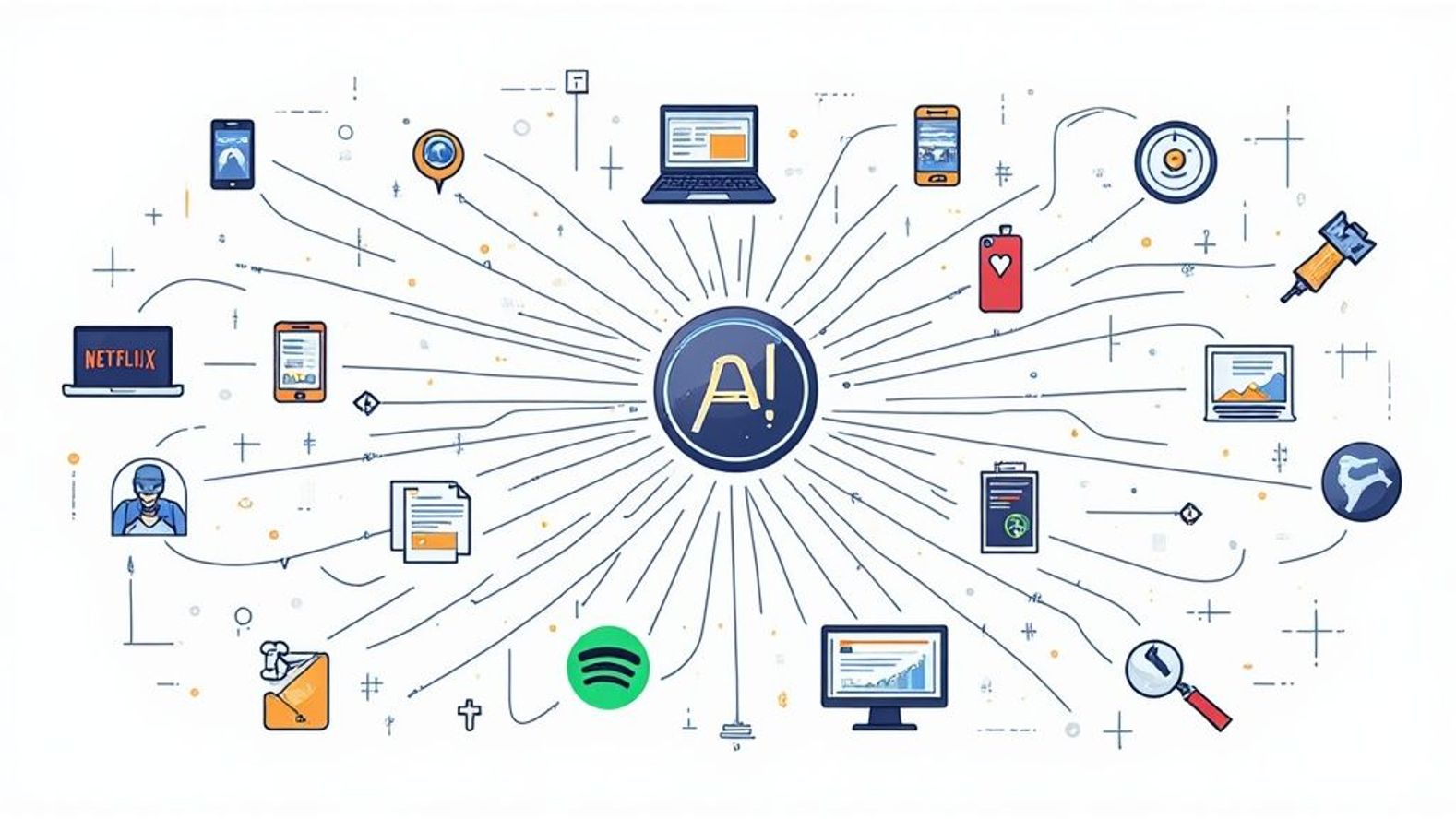
Product recommendations based on browsing history have become essential for modern online stores. Using AI and machine learning, stores can analyze what products customers view, which categories they browse, and what they search for. This allows them to suggest items that match each shopper's interests, making the experience more personal and boosting sales.
The system works by using machine learning to track how customers interact with the site in real-time. As shoppers browse, the system spots patterns in their behavior and automatically shows relevant product suggestions. This goes beyond basic "you might also like" recommendations to predict what each customer wants based on their unique shopping journey.
Major platforms like Amazon pioneered this approach with features like "Customers who viewed this also viewed" and "Frequently bought together." Netflix helped prove the power of personalized recommendations through its movie suggestions. Even Spotify demonstrates how analyzing browsing history can create value with its "Discover Weekly" playlists.
Key Features:
- Live Suggestions: Shows product recommendations as customers shop
- Smart Learning: Gets better at predicting preferences over time
- Related Products: Recommends items that work well together
- Customer Insights: Reveals what products interest different shoppers
Benefits:
- Higher Sales: Customers buy more when shown relevant items
- Better Experience: Makes shopping feel more personalized
- Customer Focus: Shows you understand individual preferences
- More Purchases: Helps shoppers find products they want to buy
Challenges:
- Data Needs: Requires enough customer data to make good suggestions
- Technical Setup: implementing recommendation systems takes expertise
- Privacy: Must handle customer data carefully and give users control
Tips for Getting Started:
- Keep It Simple: Begin with basic recommendations before adding complexity
- Test and Improve: Try different approaches to see what works best
- Be Open: Tell customers how you use their data and let them opt out
Made Popular By: Amazon, Netflix, Shopify Plus stores
This strategy has become vital for online stores of all sizes. From small shops to major retailers, smart product recommendations help businesses compete by giving customers a better shopping experience. The technology is now accessible enough that any ecommerce business can start using it to grow sales and keep customers coming back.
2. Dynamic Pricing

Dynamic pricing adjusts product prices automatically based on real-time data about market demand, competitor prices, customer behavior, and economic conditions. Unlike fixed pricing models, dynamic pricing helps businesses stay competitive and maximize profits by responding quickly to market changes.
This pricing approach has grown thanks to advances in data analytics and machine learning, which make it possible to process large amounts of pricing data instantly. The rise of online shopping and price comparison sites has also pushed more businesses to adopt flexible pricing strategies.
Key Features:
- Real-time Updates: Systems analyze data continuously to set optimal prices
- Competitor Tracking: Monitors competitor prices to stay competitive
- Demand-Based: Adjusts prices higher when demand rises and lower when it falls
- Customer Segmentation: Offers different prices to customer groups based on their buying patterns and loyalty
Benefits:
- Better profit margins through data-driven price optimization
- Quick responses to market shifts
- Stronger competitive position without constant manual price changes
- Smart inventory management by adjusting prices to move stock efficiently
Potential Drawbacks:
- May damage customer trust if price changes seem unfair
- Technical challenges in setup and maintenance
- Requires ongoing monitoring and adjustment
Examples in Practice:
- Uber raises prices during peak times to attract more drivers
- Airlines adjust ticket prices based on dates, routes and seat availability
- Amazon changes product prices throughout the day based on demand
Implementation Tips:
- Set clear rules and limits on price changes
- Watch customer feedback closely
- Be transparent about how pricing works
- Test different approaches to find what works best
When implemented thoughtfully, dynamic pricing helps businesses boost revenue while staying competitive. The key is finding the right balance between maximizing profits and maintaining customer trust through fair, transparent pricing practices.
3. Personalized Email Marketing

Email marketing has evolved far beyond just using a customer's first name. Modern personalization means creating custom email content based on how customers behave, what they like, what they've bought before, and even what they're browsing right now. When done well, this targeted approach helps build real connections with customers and gets better results.
The growth of personalized emails came from better ways to collect and analyze customer data. As online stores got more advanced tools for tracking behavior, they could create much more targeted campaigns. Basic mass emails have been replaced by messages crafted for each person.
Key Features of Personalized Email Marketing:
- Smart Triggers: Send automated emails when customers take specific actions - like reminding them about items left in their cart
- Custom Content: Show different products and promotions to different people based on their interests and location
- Smart Lists: Group customers with similar traits to send more relevant messages
- Testing Tools: Try different subject lines and content to see what works best
Main Benefits:
- More people open and click: Relevant content gets better engagement
- Customers stick around: Personal touches build loyalty
- Better returns on spending: Target the right people at the right time
- Stronger customer bonds: Show customers you understand their needs
Real Examples in Action:
- Sephora sends beauty product suggestions based on past purchases
- Nike customizes emails with products for your favorite sports
- Starbucks offers deals on drinks you regularly order
The Good and Not-So-Good:
Advantages: Higher engagement, better customer retention, strong ROI, increased loyalty
Challenges:
- Content needs: Regular creation of fresh, personalized content
- Data requirements: Must maintain accurate customer information
- Resource needs: May need specialized tools and skills
Tips for Success:
- Group customers smartly: Look at buying patterns and site activity, not just basic demographics
- Use dynamic blocks: Change content automatically for each recipient
- Test different approaches: Try various subject lines and content to improve results
- Watch the numbers: Track opens, clicks and sales to see what's working
Personal email marketing works because it treats customers as individuals. When online stores use these methods well, they can build lasting customer relationships and boost their bottom line.
4. Personalized Landing Pages
Building landing pages that adapt to each visitor helps boost conversions and improves return on marketing spend. Rather than showing everyone the same generic content, personalized pages display tailored content based on individual user information, where they came from, and how they've interacted with your brand previously.
In the past, a basic website was enough. But with online shoppers facing endless marketing messages, standard landing pages struggle to get noticed. A personalized approach helps businesses connect meaningfully with customers by showing them exactly what they want to see.
Features and Benefits:
Personalized landing pages use several technologies to create targeted experiences:
- Dynamic Content: Pages automatically adjust text, images, offers and calls-to-action using visitor data. For example, returning customers see product suggestions based on past purchases, while new visitors get welcome offers.
- Location-Based Content: Shows relevant content based on where visitors are located, like local store options, regional promotions, or content in their language and currency.
- Device Optimization: Ensures pages work smoothly across desktop, mobile and tablet devices.
- Behavior-Based Changes: Responds to how visitors use your site. For abandoned carts, pages might show shipping discounts to encourage purchase completion.
Key Advantages:
- More Conversions: Targeted content guides visitors toward desired actions more effectively
- Better Experience: Customers feel understood when content matches their needs
- Marketing ROI: Specific messaging for different customer groups improves campaign performance
- Personal Connection: Replaces generic content with messaging that speaks to individual visitors
Potential Challenges:
- Technical Setup: Implementing dynamic content requires development expertise
- Ongoing Work: Regular monitoring and updates needed to keep pages effective
- Testing Complexity: Extensive A/B testing required to optimize for different visitor groups
Real Examples:
Tips for Getting Started:
- Focus first on your most valuable customer segments
- Use clear calls-to-action that guide visitors
- Test different versions to see what works best
- Track key metrics like conversions and bounce rates
Personalized landing pages play a vital role in eCommerce success by connecting individually with customers. Moving beyond generic content to show targeted messaging helps businesses perform better online and build stronger customer relationships.
5. AI-Powered Search Personalization
Search is the gateway to the shopping experience, yet many online stores still struggle with delivering relevant results. AI-powered search personalization aims to fix this by understanding each shopper's unique needs and showing them exactly what they're looking for.
The technology works by analyzing how people search and shop, then using those insights to tailor results. For example, if someone frequently buys athletic gear, searching for "shoes" might prioritize running and training footwear in their results.
Here's how AI search personalization works under the hood:
- Natural Language Processing (NLP): Understands regular human language, even with typos or slang. A search for "mens blue running shoes" gives similar results to "blue sneakers for running men."
- Learning Algorithms: Studies past searches, purchases, and browsing to predict what each shopper wants to see next. Gets smarter over time.
- Behavioral Analysis: Tracks which results people click on and buy to understand what's most relevant for different types of shoppers.
- Context Awareness: Considers factors like location and season - someone searching "jacket" in Miami sees different options than someone in Chicago.
Key Benefits:
- More Accurate Results: Shoppers find what they want faster
- Smoother Shopping: Less friction and frustration in the search experience
- Higher Sales: Relevant results mean more purchases
- Lower Abandonment: Fewer people leave due to poor results
Implementation Hurdles:
- Upfront Costs: Getting started requires significant investment
- Technical Needs: Requires specialized expertise to set up and maintain
- Ongoing Work: Need constant monitoring and updates to stay effective
Real Examples in Action:
- Algolia: Offers smart search with personalization and typo tolerance
- Elasticsearch: Open-source search that can be enhanced with AI
- Searchspring: eCommerce-focused search platform with merchandising tools
Tips for Success:
- Prioritize Relevance: Focus first on showing the most fitting products
- Add Autocomplete: Suggest terms as people type to speed up searches
- Track Performance: Monitor key metrics to find improvement areas
- Regular Reviews: Check system performance against business goals
Good search means happy customers who find and buy what they want. As more shoppers expect personalized experiences, AI-powered search helps stores deliver the right products to the right people at the right time.
"6. Personalized Product Bundles":
6. Personalized Product Bundles
Product bundles customized to each customer's preferences have become a key sales driver for online stores. By creating tailored combinations based on shopping history and preferences, businesses can boost sales while giving customers exactly what they want. This approach works well for companies of all sizes.
How These Bundles Work:
The magic happens through analyzing customer data to spot products that naturally go together for different customer groups. When someone browses your store, they see bundles picked just for them based on what they've bought before and how they shop. For example, a coffee lover might see a bundle with their favorite beans, filters, and a new mug - all at a special bundle price that beats buying items separately.
The Rise of Smart Bundling:
While product bundles aren't new (think combo meals), smart personalization has made them much more effective. Online shopping data lets stores create highly targeted offers. Monthly subscription boxes show this approach at its best - they deliver customized product sets that keep customers coming back month after month.
Real Examples:
Key Benefits:
- Higher Sales: Customers spend more when offered relevant bundles
- Happy Customers: Getting exactly what they need improves satisfaction
- Better Stock Control: Bundle slow-moving items with popular ones
- Customer Loyalty: Personal touches build stronger connections
Main Challenges:
- Stock Management: Keeping track of bundle components gets complex
- Price Setting: Finding the sweet spot between value and profit
- Shipping: Packaging multiple items needs extra planning
Tips for Success:
- Study Purchase Data: Look for natural product pairings in orders
- Try Different Mixes: Test various bundle combinations to see what works
- Watch the Numbers: Track sales, order values, and customer feedback
- Fine-tune Pricing: Balance discounts with profitability
When done right, personalized bundles can boost your bottom line while making customers happier. This method goes beyond basic discounts by giving shoppers thoughtfully curated product sets that match their needs and interests.
7. Behavioral Retargeting
Retargeting has become one of the most effective ways for online stores to convert browsers into buyers. This marketing approach follows users who have shown interest in products across the web, showing them personalized ads based on their previous interactions. The results speak for themselves - businesses using retargeting see significantly better conversion rates and ROI.
How it Works:
The process relies on tracking code placed on your website to monitor visitor activity. When someone views products, adds items to cart, or takes other actions, the system creates detailed audience segments. These segments then receive targeted ads featuring relevant products as they browse other sites and social platforms.
Features that Drive Success:
- Multi-device tracking: Connect with users seamlessly across their phones, tablets and computers
- Smart ad creation: Generate product-specific ads automatically based on browsing history
- Advanced segmentation: Group visitors based on their specific behaviors and interests
- Performance tracking: Measure which campaigns and touchpoints lead to sales
Pros:
- Better conversion rates: Remind interested shoppers about products they viewed
- Strong ROI: Focus ad spend on warm leads familiar with your brand
- Brand awareness: Stay top-of-mind through strategic ad exposure
- Relevant messaging: Customize ad content based on user actions
Cons:
- Ad fatigue: Too many repeat ads can annoy potential customers
- Privacy issues: Must handle user data responsibly and transparently
- Cookie limits: Browser restrictions impact tracking capabilities
Real-World Examples:
- Facebook Dynamic Ads: Show personalized product recommendations to previous site visitors. A clothing store could retarget someone who viewed a dress with ads for that dress and similar styles.
- Google RLSA: Target past site visitors with custom search ads when they look up related terms. A travel company might show London hotel deals to someone who previously searched flights to London.
- Pinterest Retargeting: Re-engage users who interacted with your pins using visually appealing product ads. A home decor brand could show similar rugs to someone who saved a rug pin.
Tips for Implementation:
- Control ad frequency: Limit how often each user sees your ads
- Create focused segments: Target specific behaviors for relevant messaging
- Design compelling ads: Use quality visuals and clear calls-to-action
- Analyze performance: Track key metrics to optimize campaigns
Growth and Impact:
Retargeting has grown dramatically alongside programmatic advertising and better data capabilities. What started as basic cart abandonment follow-up has evolved into sophisticated personalized marketing across channels. For online retailers focused on maximizing sales and building customer relationships, it remains an essential strategy.
8. Personalized Content Marketing
Content marketing is much more effective when it speaks directly to individual customers. Instead of broadcasting the same message to everyone, personalized content delivers custom experiences based on what each person cares about, how they've interacted with you before, and where they are in their buying journey. This personal touch helps build real connections with customers and drives more sales.
How it Works:
The key to personalization is data. By analyzing information like browsing history, past purchases, demographic details, and social media activity, you can group your audience into segments and create content that resonates with each group. Modern tools can automatically show different content versions based on user characteristics. They can also track behavior over time to refine these segments. Product recommendation systems (like those used by Netflix and Spotify) suggest relevant items based on previous interactions. Creating customer personas helps visualize and address specific audience needs.
Real-World Examples:
Data and analytics have transformed how companies deliver personalized content:
- HubSpot's smart content: Shows different content based on factors like whether someone is a first-time visitor or returning customer
- Netflix recommendations: Uses viewing history and behavior to suggest shows and movies each person will likely enjoy
- Spotify Discover Weekly: Creates custom playlists matched to individual music tastes and listening patterns
Benefits and Drawbacks:
Pros:
- Higher engagement: Relevant content gets more clicks, longer view times, and more shares
- Better lead nurturing: Content guides prospects through the sales funnel with information matched to their stage
- More conversions: Right offers at right time increase purchase likelihood
- Customer satisfaction: People feel understood when content speaks to their needs
Cons:
- Content demands: Creating personalized versions takes significant work
- Cost: Systems for delivering personalized content can be expensive
- Technical challenges: Integrating tools and managing data privacy adds complexity
Tips for Implementation:
- Build customer profiles: Document your ideal customers' needs, goals and pain points
- Match content to journey: Create content for awareness, consideration and decision stages
- Try different formats: Test blogs, videos, graphics, and interactive content to see what works best
- Track results: Monitor metrics like clicks, conversions and time on page to measure impact and optimize
When done right, personalized content creates meaningful customer relationships that drive business growth. Though it requires investment, this approach has become essential for connecting with today's customers.
9. Geolocation Personalization
When done right, geolocation personalization creates a more engaging shopping experience by adapting content based on where customers are located. This approach helps online stores show relevant products, prices, and content to shoppers in different regions.

Key Features:
- Smart Pricing: Show prices in local currencies and adjust for regional markets
- Local Products: Display items available in the customer's area
- Currency Display: Auto-convert to local currency
- Language: Show content in the visitor's preferred language
Main Benefits:
- Better Relevance: Products and content match local needs
- Smoother Shopping: Familiar experience for customers
- More Sales: Higher conversion rates from local targeting
- Regional Success: Optimized strategies for each market
Real Examples in Action:
Quick Pros and Cons:
Pros: More relevant experience, easier shopping, better sales, local market fit
Cons: Complex setup, ongoing updates needed, privacy and tax rules to follow
Tips for Success:
- Think Culture: Go beyond language - consider local preferences and customs
- Get Location Right: Use quality IP detection tools
- Test Everything: Check all features across different regions
- Watch Results: Track sales and engagement by location
Geolocation personalization helps brands connect with customers in meaningful ways. For growing online stores, it's essential for expanding into new markets successfully. Larger brands on platforms like Shopify Plus can use advanced location features to boost results. Whether you're just starting out or running an established store, smart location-based personalization helps attract and keep customers while growing sales across different regions.
10. Customer Journey Personalization
Great eCommerce experiences happen when you adapt every interaction based on where customers are in their buying journey. This means crafting unique experiences from the first visit through post-purchase engagement, making each touchpoint meaningful and relevant.
With advances in data analytics and customer behavior tracking, companies can now understand their customers in incredible detail. This has enabled a shift from generic mass marketing to truly personal interactions that build lasting relationships and drive better results.
Key aspects of journey personalization include:
- Journey Mapping: Creating visual flows of how customers typically move from discovery to advocacy
- Touchpoint Optimization: Fine-tuning each interaction channel (website, email, social) to match where customers are in their journey
- Cross-Channel Consistency: Delivering a smooth experience whether customers engage on mobile, desktop, or in-store
- Behavior-Based Actions: Using real-time customer signals to trigger relevant messages and offers
Real Success Stories:
- Sephora Beauty Insider: Personalizes shopping based on purchase history and preferences, with custom recommendations and rewards
- Nike Plus: Creates individualized training plans and product suggestions based on activity, plus exclusive member perks
- Amazon Prime: Delivers personalized recommendations and premium benefits, fostering high customer loyalty
Benefits:
- Better Customer Experience: More relevant and engaging interactions
- Higher Conversion: Right offer, right time leads to more sales
- Increased Retention: Personal touches build lasting loyalty
- Growing Customer Value: Deeper relationships mean larger lifetime value
Challenges:
- Technical Complexity: Requires advanced systems integration
- Resource Needs: Significant investment in analysis and content
- Data Requirements: Success depends on rich customer data
Implementation Tips:
- Map Key Journeys: Document typical customer paths and behaviors
- Identify Critical Points: Focus on most important interaction moments
- Set Up Analytics: Deploy tools to track customer actions
- Keep Improving: Regularly analyze and refine your approach
Customer journey personalization ranks high on this list because it represents the most complete approach to eCommerce personalization. By considering the full customer lifecycle, businesses can build deeper connections, increase sales, and maximize long-term value. While implementation takes work, the results make it worthwhile for growth-focused eCommerce companies.
10-Point eCommerce Personalization Strategy Comparison
| Strategy | 🔄 Implementation Complexity | ⚡ Resource Requirements | 📊 Expected Outcomes | ⭐ Ideal Use Cases | 💡 Key Advantages |
|---|---|---|---|---|---|
| Product Recommendations Based on Browsing History | High – Involves real-time ML and behavioral tracking | High – Requires robust data collection and processing systems | Increased conversion rates and average order value | E-commerce sites needing personalized shopping experiences | Tailored recommendations and effective cross-selling |
| Dynamic Pricing | High – Complex real-time adjustments and competitor monitoring | High – Needs continuous monitoring and algorithm updates | Maximized profit margins with competitive pricing adjustments | Markets with fluctuating demand and competitive pricing environments | Rapid price optimization and market responsiveness |
| Personalized Email Marketing | Moderate – Requires effective segmentation and content management | Moderate – Demands ongoing data analysis and creative content | Improved customer retention and higher email engagement | Businesses with established email lists and recurring campaigns | Enhanced ROI and customer loyalty through customization |
| Personalized Landing Pages | Moderate to High – Involves dynamic content and testing | Moderate – Needs development, testing, and maintenance efforts | Higher conversion rates and improved campaign performance | Targeted campaigns and personalized website experiences | Customized user experiences with clear calls-to-action |
| AI-Powered Search Personalization | High – Integration of advanced AI and natural language processing | High – Requires specialized tools and continuous optimization | Improved search accuracy, user experience, and reduced abandonment | Sites with complex search functionality and high user expectations | Contextually relevant results with adaptive learning |
| Personalized Product Bundles | Moderate – Requires dynamic bundling algorithms and inventory analysis | Moderate – Involves pricing strategy and inventory management | Increased average order value and enhanced customer satisfaction | Retail and subscription services seeking custom bundle offers | Customized product combinations that boost cart value |
| Behavioral Retargeting | Moderate – Involves cross-platform tracking and dynamic ad creation | Moderate – Requires effective segmentation and tracking tools | Higher conversion rates and improved ROI via targeted messaging | Digital advertising and remarketing campaigns | Focused ad delivery that reinforces brand recall |
| Personalized Content Marketing | Moderate – Involves buyer persona mapping and dynamic delivery | High – Demands continuous content creation and behavioral tracking | Increased engagement, better lead nurturing, and higher conversions | Inbound marketing and lead generation in content-driven environments | Tailored content that drives deeper user engagement |
| Geolocation Personalization | Moderate to High – Integration of location-based systems and APIs | Moderate – Requires investment in geolocation technologies | Improved relevance, higher conversion rates, and local market optimization | Global e-commerce and brands targeting regional audiences | Customized experiences based on local currencies and languages |
| Customer Journey Personalization | High – Requires extensive journey mapping and cross-channel coordination | High – Involves comprehensive data collection and integration | Better retention, higher conversion rates, and increased lifetime value | Omnichannel marketing and loyalty programs with detailed user insights | Holistic tailoring of experiences at every touchpoint |
Ready to Personalize Your Ecommerce?
Delivering personalized shopping experiences has become essential for online retail success. From customized product recommendations and smart pricing to intelligent search and targeted messaging, tailoring each touchpoint to individual shoppers can transform your results.
The ten key personalization strategies we explored - from leveraging browsing data and dynamic pricing to personalized emails, landing pages, and AI-powered search - provide a solid foundation. When implemented thoughtfully, these approaches can significantly boost customer engagement and sales.
Consider taking an incremental approach to implementation. First, define clear business goals and customer segments you want to target. Start with focused initiatives like personalizing email campaigns or product recommendations. Run A/B tests to see what truly resonates with your audience. Let data guide your strategy refinements.
Key Takeaways:
- Personalization delivers measurable impact on engagement and revenue
- Data and testing should drive your personalization strategy
- Begin with focused initiatives before expanding
- Monitor emerging tools and capabilities
- Continuously optimize based on performance metrics
Looking to make your online store more personal and engaging? ECORN specializes in helping Shopify merchants create standout shopping experiences. We provide practical solutions for businesses at any stage - from growing brands to established companies. Our services span store design, development, conversion optimization and AI integration. With flexible subscription packages and project options, we'll find the right fit for your needs. Ready to take your store's personalization to the next level? Learn more at ECORN Agency.
[Related Media]