📦 The 2026 Tariff Playbook for eCom Brands UPDATED
Last Updated on 16/11/2026
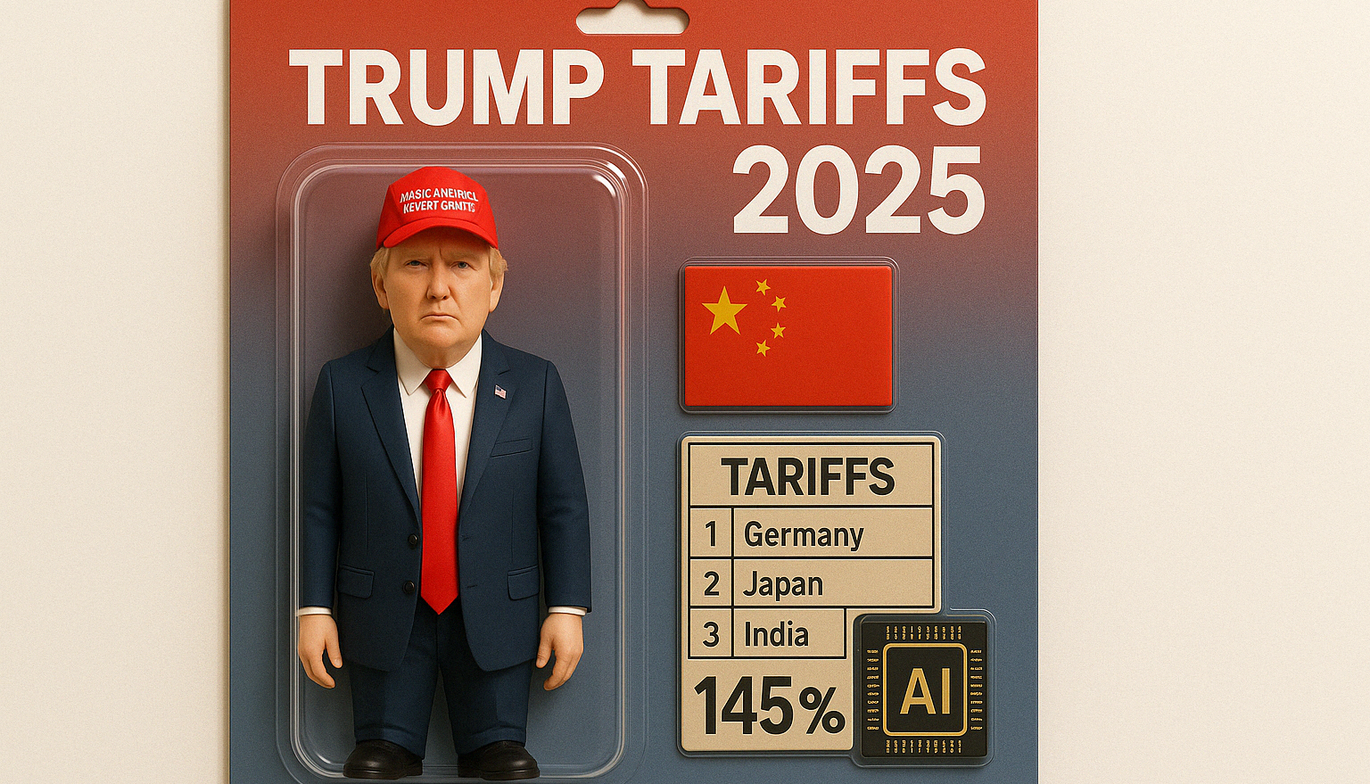
The Tariffs in 2026
The US tariff picture looks very different from April 2025. On February 20, 2026 the Supreme Court ruled that IEEPA does not authorize tariffs, which ended the sweeping "Liberation Day" tariffs, but the administration replaced them with other legal authorities. Here is where things stand for eCommerce operators:
- Section 301 forced-labor tariffs of 10% or 12.5% on imports from dozens of economies since July 24, 2026, replacing the temporary 10% Section 122 surcharge (10% for Canada, Mexico, India and the UK; 12.5% for China and Vietnam)
- Existing product tariffs still apply: Section 232 and older Section 301 duties remain, and Canada faces a 50% Section 338 duty on specified goods since August 22, 2026
- China: no more 145%. Chinese goods now face the 12.5% forced-labor tariff on top of existing Section 301 and Section 232 duties
- De minimis is still suspended: duty-free entry for sub-$800 shipments remains suspended for all countries, and the postal DDP threshold rose from $800 to $2,500 for shipments arriving on or after July 24, 2026. This is still painful for eCommerce brands that relied on duty-free shipping for small parcels.
Rates have shifted several times in 2026 and may keep moving. The Section 122 surcharge expired on July 24, 2026, when the Section 301 forced-labor tariffs took over, and importers who paid IEEPA duties can now claim refunds through CBP's CAPE process. Confirm with your customs broker whether your entries are eligible, and watch USTR announcements for the next change.
What Merchants Should Do Now
To thrive in this evolving trade climate, Tariffs eCommerce strategy must be proactive and adaptive. Here's your action plan:
✅ Audit your supply chain
- Use tools like Flexport or TrumpTradeTracker to monitor current tariff rates and exemptions.
- Calculate landed costs per SKU, factoring in tariffs, shipping, and any postal duties.
✅ Get DDP-ready
- Implement Delivered Duty Paid (DDP) shipping so customers aren't hit with surprise customs charges.
- Platforms like Shippo automate DDP label generation and customs clearance for seamless customer experiences.
✅ Review and update HS codes
- Accurate product classification prevents overpaying duties or facing fines. Use AI-powered classification tools to ensure your HS codes are compliant.
- Misclassification penalties can result in fines up to 10x the duty amount owed—a risk no merchant can afford under Trump Tariffs.
✅ Set up FTZ or bonded warehouse options
- U.S.-based Foreign Trade Zones (FTZs) allow merchants to defer or eliminate duties on unsold inventory.
- If your warehouse model supports it, shift product flow into bonded facilities or FTZs to increase cash flow resilience.
✅ Negotiate supplier terms
- Shift manufacturing to low-tariff regions like Mexico, India, or Vietnam.
- Explore legal strategies such as separating product and consulting/service invoices to reduce declared customs value.
✅ Prepare for duty drawback
- If you export products or experience returns, apply for duty drawback refunds (up to 99%) via CBP's drawback program.
Scenarios to Watch: What Happens When Tariffs Apply
With tariff authorities still shifting, merchants need to plan for different outcomes. Each scenario carries unique risks and opportunities:
🔁 Scenario 1: Partial Rollback (best-case)
- Trade deals or court rulings bring exemptions or phased relief.
- Rates on non-sensitive goods fall below today's 10-12.5% baseline, with some strategic imports spared.
- Tariffs eCommerce brands breathe easier, and price stability returns.
⚠️ Scenario 2: Negotiation Stalemate
- No major deals are reached and the current Section 301 rates stay in place.
- Current rates (10-12.5% on most imports, plus Section 232 and legacy Section 301 duties) persist.
- Inflation risk and consumer fatigue increase, especially for price-sensitive categories.
💥 Scenario 3: Escalation
- Retaliatory tariffs by trading partners, as Canada introduced in September 2026.
- New US tariff actions expand to more product categories, such as digital goods, SaaS licenses, or energy-related imports.
- Merchants face cost pressure from all sides; a deep recession risk emerges.
🕊 Scenario 4: Superficial Deal
- A political “win” is declared, but only minimal tariff relief is applied.
- Brands remain in limbo, unsure how to forecast or price SKUs.
📍 Winners in Local Markets
U.S.-based merchants selling domestically made products gain a competitive edge from supply chain certainty and fewer disruptions. However, these same merchants could face decreased competitiveness in overseas markets due to retaliatory tariffs and higher logistics costs.
Merchants in Canada, the UK, and the EU are expected to benefit from increased local sales. As tariffs reshape cross-border shipping dynamics, "Buy Local" gains traction among consumers. These markets may also see more interest from U.S. brands looking to shift fulfillment locally to bypass international fees.
How to Benefit from the Tariff Era
While many see Trump Tariffs as a risk, sharp founders will use them to create leverage. Here's how to win:
💸 Acquire distressed brands
Buy out struggling Tariffs Merchants whose cost structures broke under pressure. Restructure ops, shift sourcing, and relaunch with a profitable margin model.
🛠 Build nearshoring solutions
Founders who help brands relocate production to Mexico or Central America can capture massive demand. Launch an agency, SaaS, or fulfillment network tailored to Tariffs eCommerce brands.
🚛 Launch logistics tools
Products that solve real tariff problems—DDP automation, landed cost calculators, or FTZ optimization tools—will be in demand.
📈 Create a tariff-safe marketplace
Launch a curated shopping experience where all products are priced with duties included. Educate customers on your "tariff-transparent" advantage.
📦 Automate compliance & recovery
Develop or adopt tools to audit HS codes, track De minimis violations, and streamline duty refund filing. Merchants will pay to avoid 6-figure penalties or reclaim 5-15% of costs.
The Path Forward for Tariffs Merchants
The post-De minimis world and tariffs under new legal authorities aren't going away anytime soon. But when you understand When Tariffs Apply, how to read the Tariffs Schedule, and how to respond with speed, you're in a better position than most.
Let your competitors panic. You optimize, adapt, and capture market share while others hesitate.
This is the new global playbook—and it’s one that smart eCommerce brands are already rewriting.
Contact us for eCommerce Consulting, Development and Tech Support. Want to get eCom trends and news into your inbox? Subscribe on our newsletter
[Related Media]

AI Lead Generation for E-commerce Growth

Shopify Editions Fall 2026 UPDATED

Best eCommerce Communities UPDATED