Shopify Development
Build and extend a Shopify store around the journeys, catalog and operations your business needs.
Choose the development path that fits your storefront, custom function or separate customer channel.
Learn MoreA Shopify storefront can be a new build or an existing store that needs more capable templates, product discovery and ongoing development. ECORN's Shopify Development work includes the LIMÉ regional launch and later storefront changes as the brand expanded. Start with the customer journey and operating requirements, then choose the service that matches the development work involved. A theme change and a separate app backend are scoped as separate jobs.
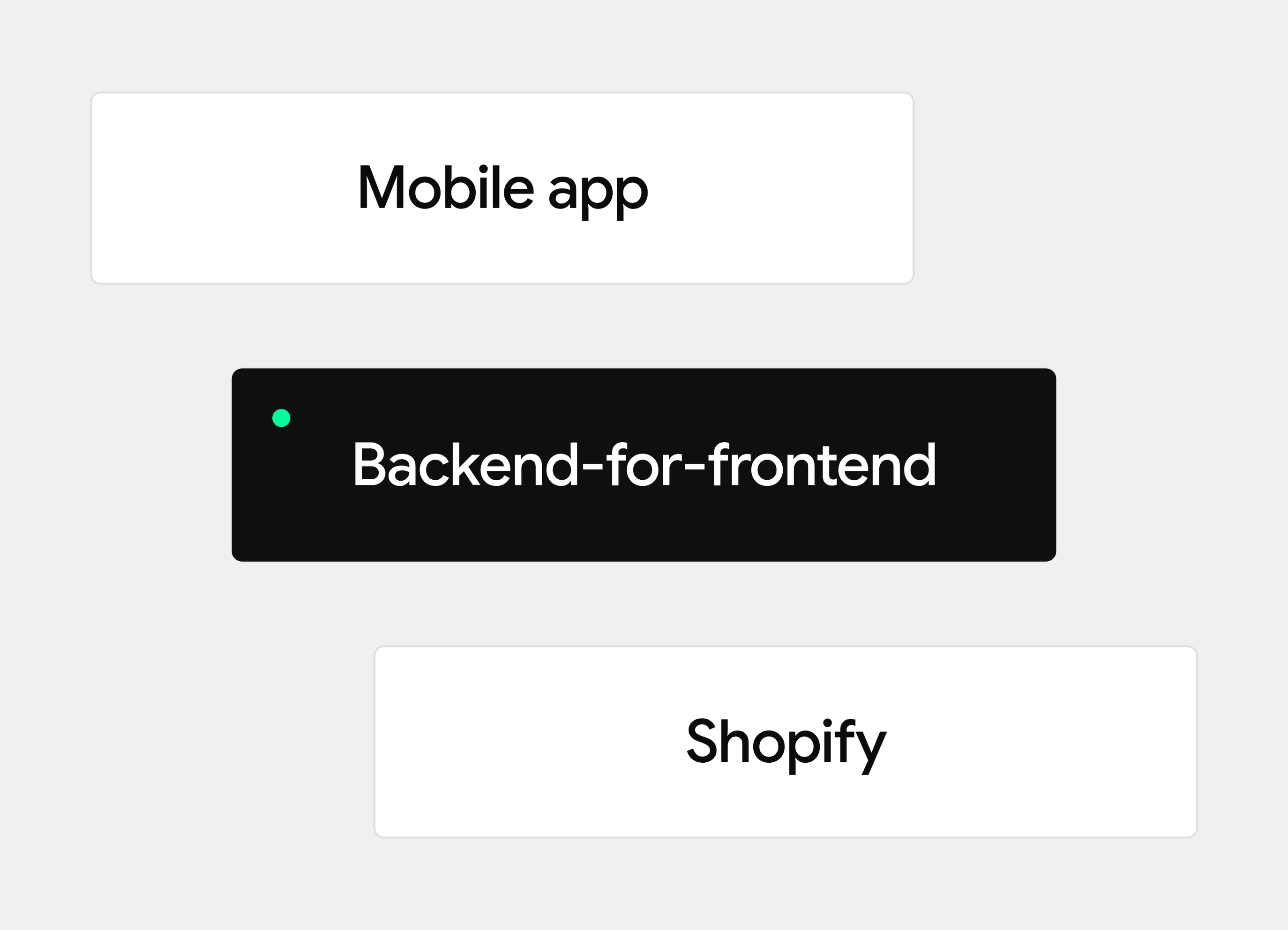
A dedicated backend connects LIMÉ's app to Shopify.
Build and extend a Shopify store around the journeys, catalog and operations your business needs.
A store-specific workflow does not always fit an existing app. We build custom Shopify applications and connected services around the processes your team and customers actually use.
Decide whether a separate customer interface and commerce backend solve a real problem for your business.
Some requirements belong outside a theme. For Age of Innocence, ECORN built a dedicated Node.js checkout app for one Shopify Plus store. For LIMÉ, the team built a returns app linked to order updates and refund logic. These are examples for the Shopify App Development path. Each application should have its own responsibility, data inputs and maintenance owner.
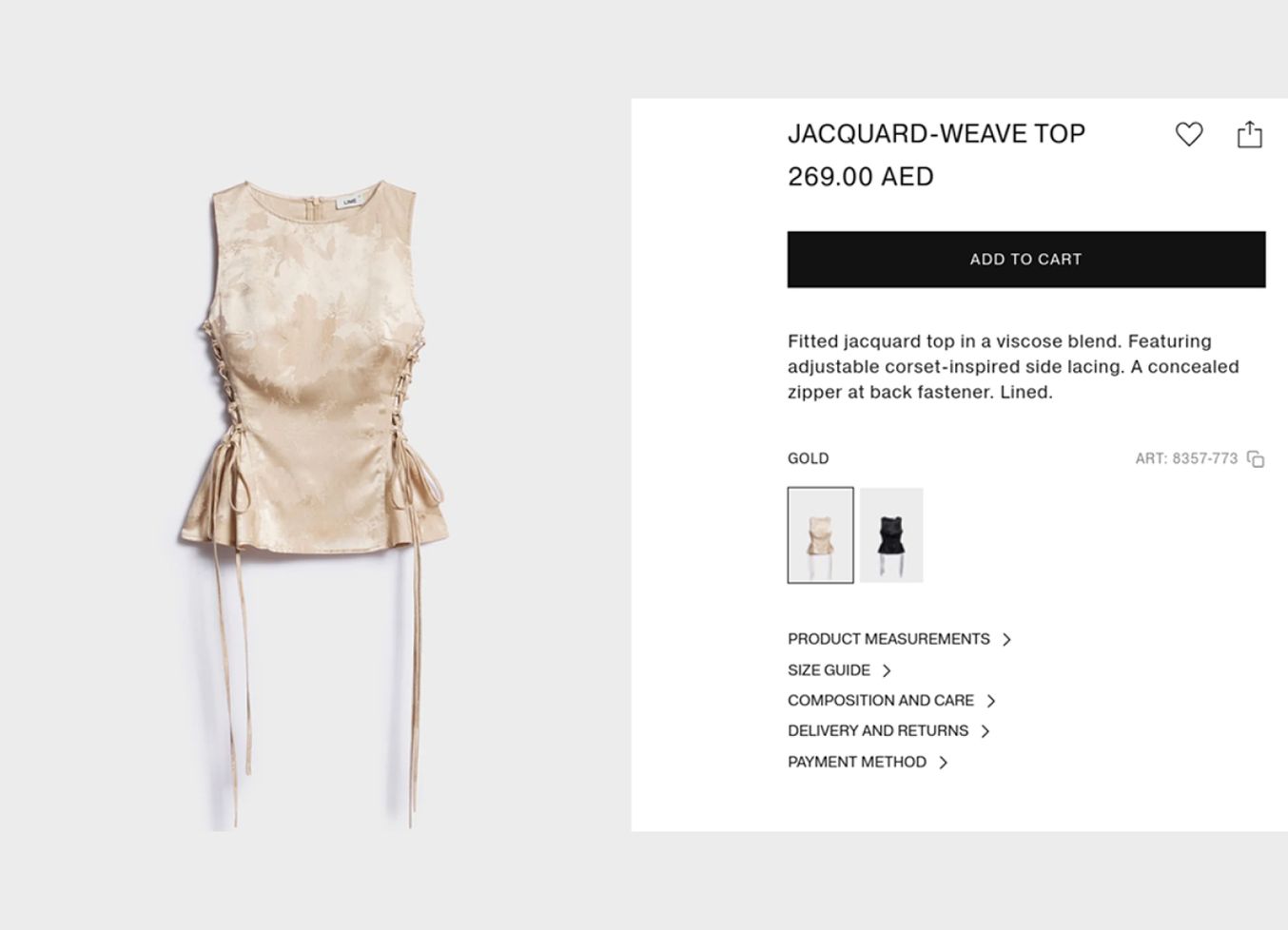
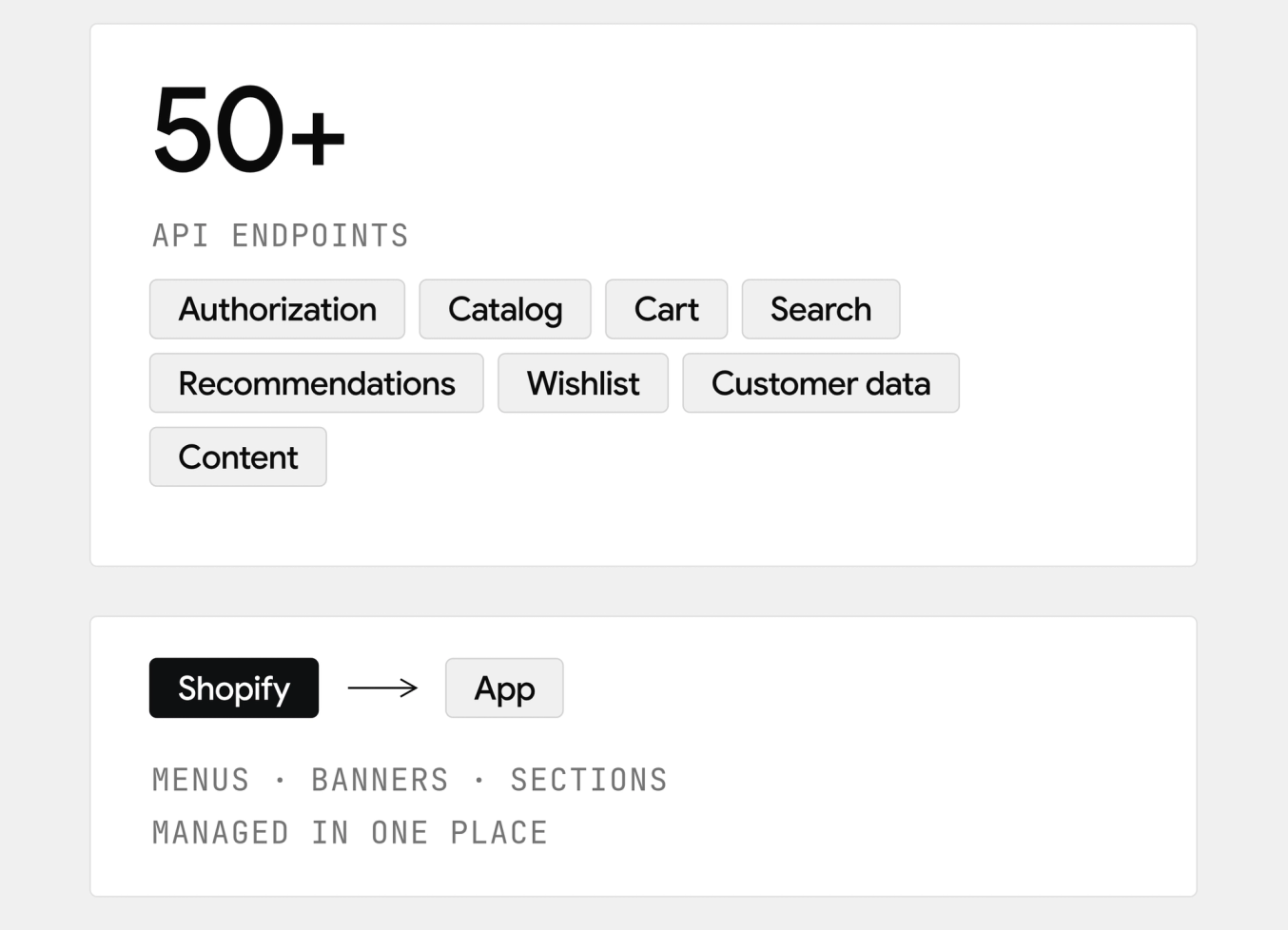
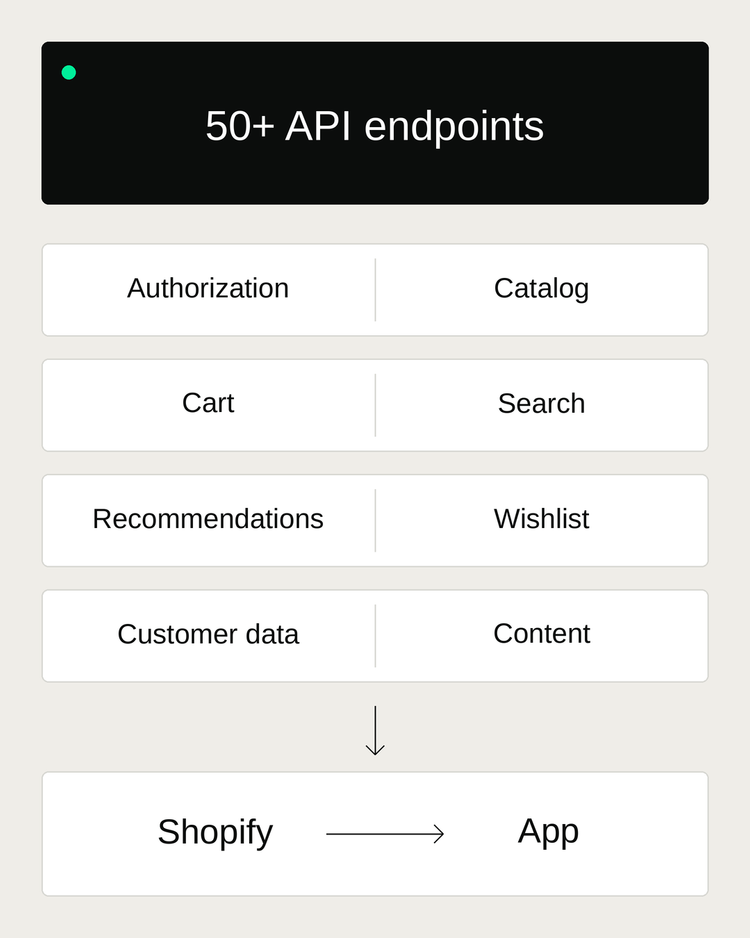
LIMÉ also introduced a native mobile app. Merchandisers kept updating catalog and content in Shopify, while ECORN built and hosts a backend-for-frontend to supply data and customer functions to the app. A separate mobile team built the app. This example helps explain when a business needs architecture beyond one web storefront. A headless web build or physical-retail integration would need separate proof and scope. Further reading: Omnichannel Retail Strategy: A Shopify Playbook.
Shopify Development covers storefront builds and later changes to templates and shopping journeys. LIMÉ is an example of both: a launch and continued development.
A requirement that needs separate application logic should be scoped as app work. Published examples include Age of Innocence's checkout app and LIMÉ's returns app.
In LIMÉ's project, merchandisers continued editing in Shopify, and ECORN's backend made selected menus, banners, sections and catalog data available to the app. The separate mobile team built the app itself. Related reading: What Is Omnichannel eCommerce.
LIMÉ shows a storefront, a returns app and a backend serving a native mobile app; Age of Innocence shows a dedicated checkout app.
We use necessary cookies to run the site. With your permission we also use analytics and marketing cookies to enhance your browsing experience. Review our Cookie Policy.
Your privacy choices
We use cookies to run the site, understand how it is used and measure our marketing. You can opt out of analytics and of the sale or sharing of your information at any time. We honour the Global Privacy Control signal. Review our Cookie Policy.
Cookies
We use cookies to run the site and to understand how it is used. You can change this in the settings. Review our Cookie Policy.
Cookie settings
Turning marketing off stops the sale and sharing of your information for advertising. A Global Privacy Control signal from your browser already does this.