Cross-Platform Development
Choose the development path that fits your storefront, custom function or separate customer channel.
Give customers a connected experience across the channels your business actually operates.
Learn MoreLIMÉ launched a Shopify store in the UAE and later expanded its storefront work across GCC markets. The brand also introduced a native app. ECORN built a backend that supplies Shopify catalog and content data to that app while merchandisers continue working in the Shopify admin. This is a concrete connection between digital channels, with shared content operations rather than separate manual updates.
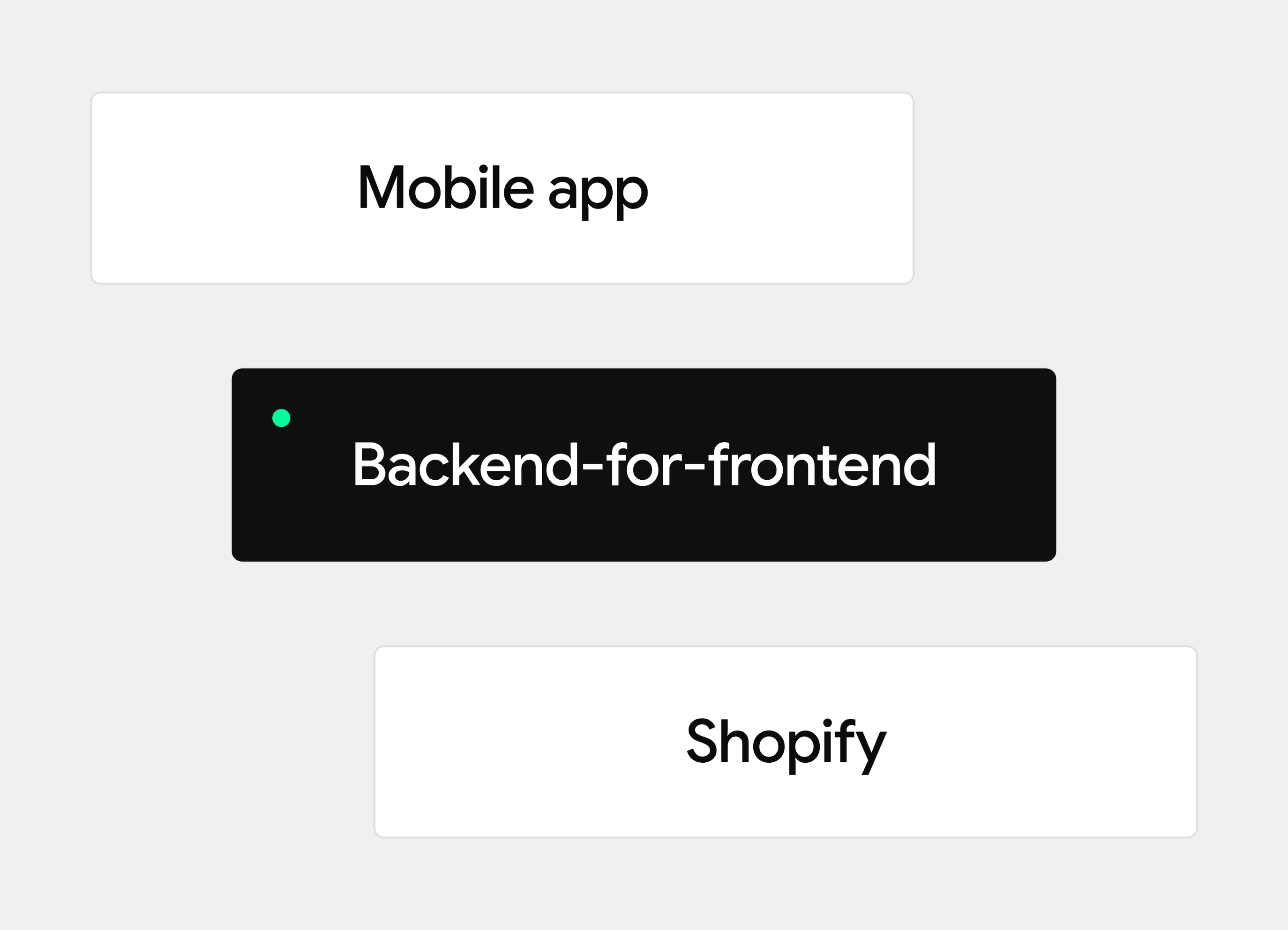
LIMÉ's app and Shopify exchange data through a dedicated backend.
Choose the development path that fits your storefront, custom function or separate customer channel.
A store-specific workflow does not always fit an existing app. We build custom Shopify applications and connected services around the processes your team and customers actually use.
Connect your Shopify storefront with the services that support ordering, fulfillment, personalization and customer care.
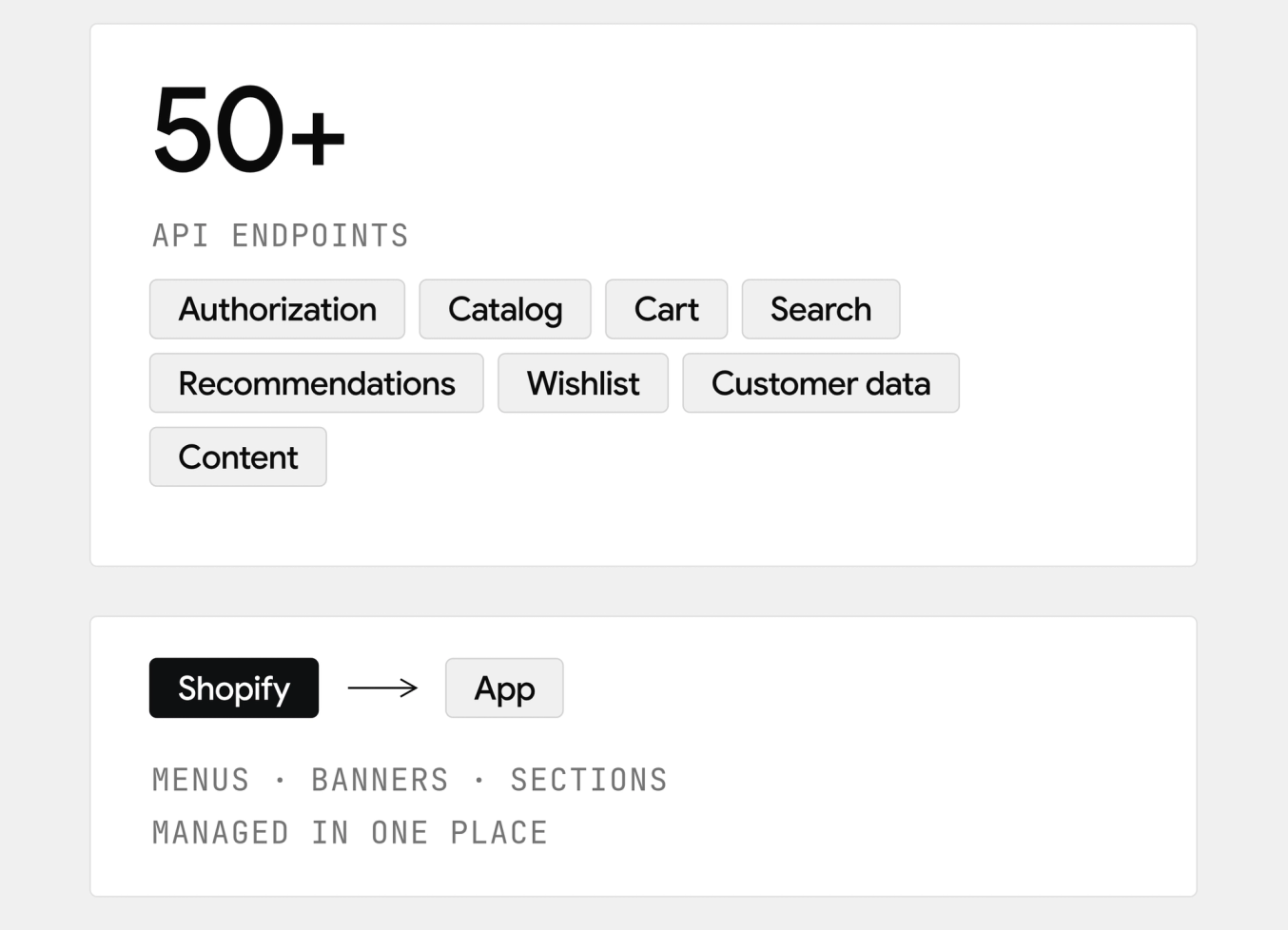
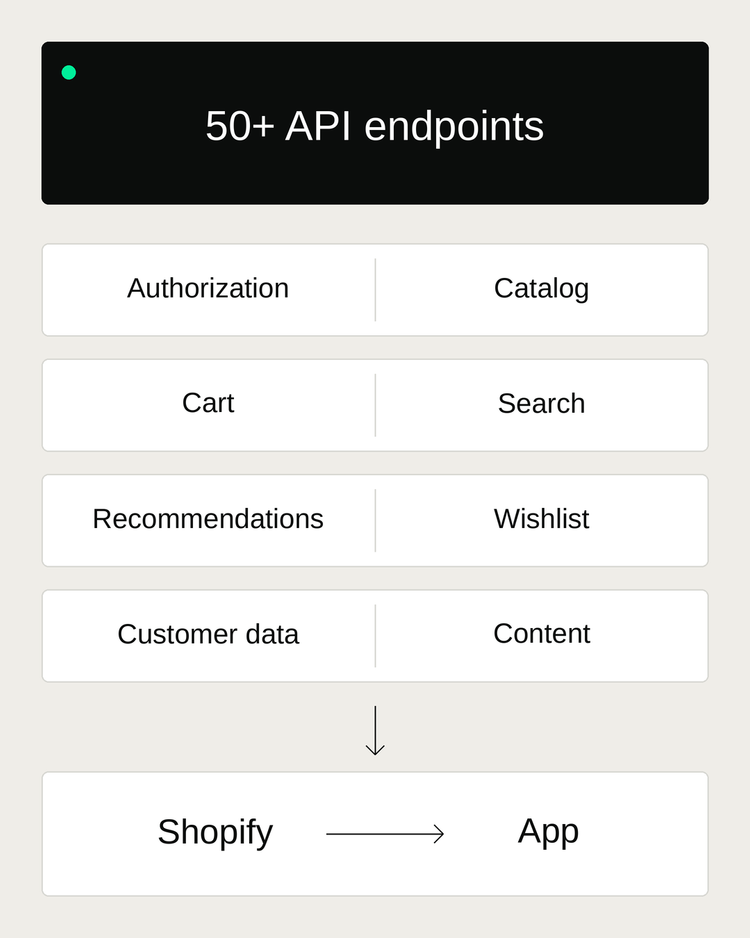
Beyond the storefront, ECORN built a custom app that links returns accepted at Aramex's warehouse to Shopify order updates and refund logic. This shows one way an operational event can affect what the store knows about an order. That work does not involve in-store stock or POS data; a unified commerce build that includes physical retail is scoped on its own.
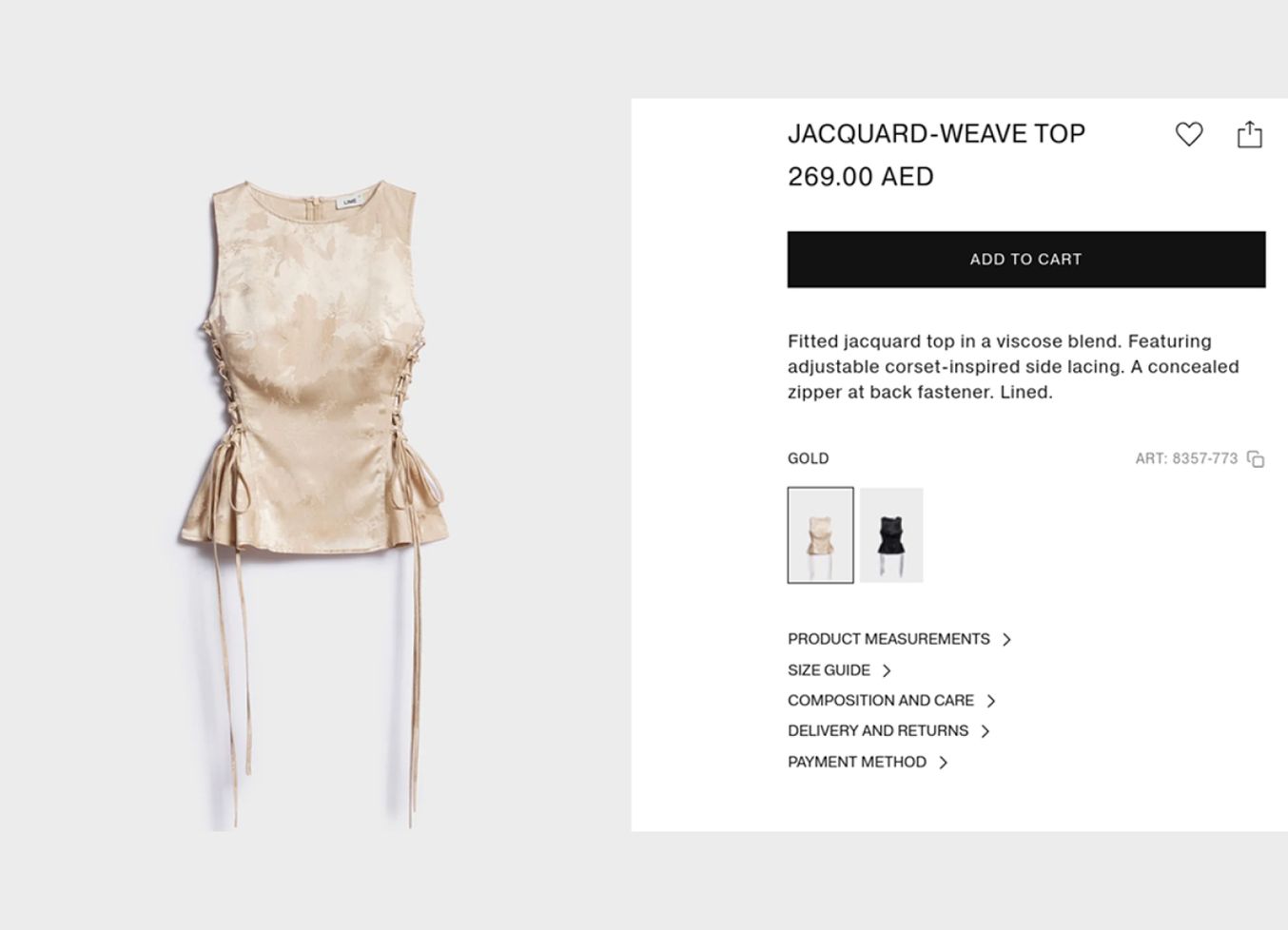
The scope should identify which catalog fields, content sections, customer functions and order states need to be consistent across channels. It should also name the system that owns each item and the team that maintains the connections. In LIMÉ's case, the app backend is maintained as Shopify APIs, collection grids and mobile requirements change. Another business may need a different architecture. Further reading: Omnichannel Retail Strategy: A Shopify Playbook.
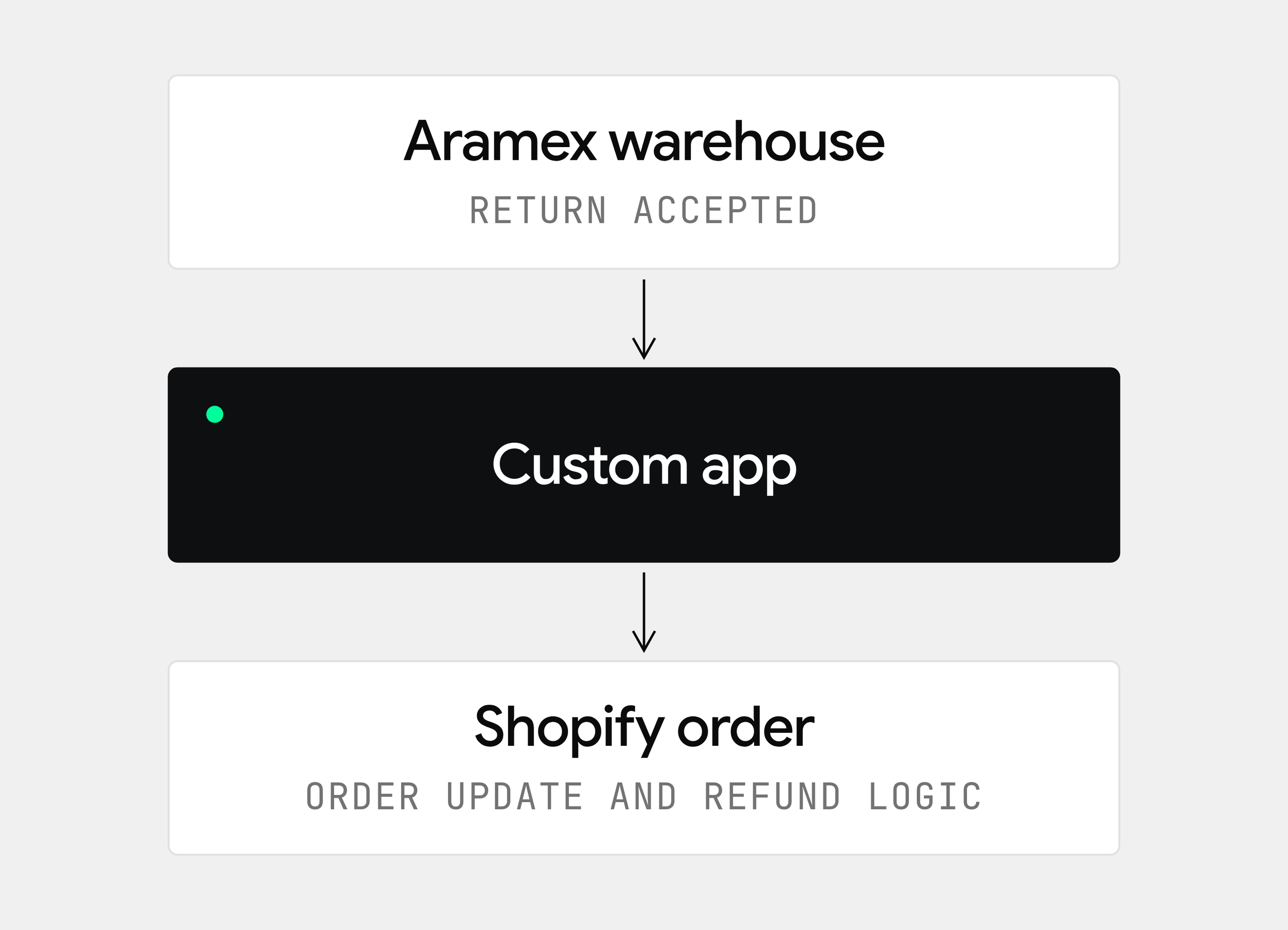
Returns accepted at the Aramex warehouse update the Shopify order and refund logic through a custom app.
In LIMÉ's project, merchandisers edit in Shopify, and ECORN's backend makes selected catalog, menu, banner and section data available to the native app.
Yes. For LIMÉ, ECORN built a custom app linking accepted returns at Aramex's warehouse to Shopify order updates and refund logic.
The LIMÉ work does not include a POS integration. In-store checkout, inventory or a unified customer profile would be scoped as separate work. Related reading: Unified Commerce Platform: Benefits, KPIs & Shopify Guide.
LIMÉ shows Shopify storefronts for several regions and a native mobile app backend, connecting digital channels. It does not cover physical retail.
We use necessary cookies to run the site. With your permission we also use analytics and marketing cookies to enhance your browsing experience. Review our Cookie Policy.
Your privacy choices
We use cookies to run the site, understand how it is used and measure our marketing. You can opt out of analytics and of the sale or sharing of your information at any time. We honour the Global Privacy Control signal. Review our Cookie Policy.
Cookies
We use cookies to run the site and to understand how it is used. You can change this in the settings. Review our Cookie Policy.
Cookie settings
Turning marketing off stops the sale and sharing of your information for advertising. A Global Privacy Control signal from your browser already does this.